The History and Evolution of Reborn Dolls: From Quiet Hobby to Global Art Movement
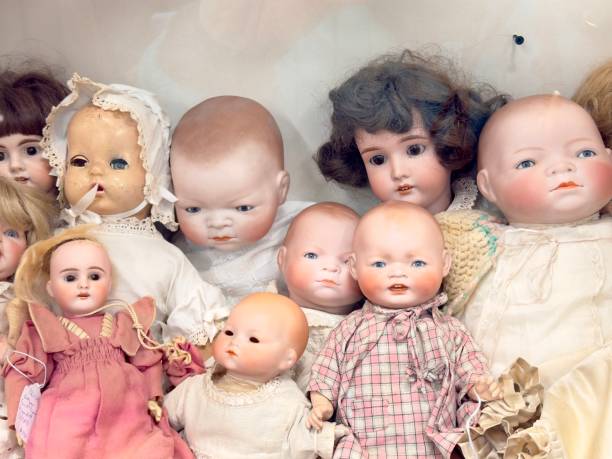
They started in a garage in 1990s America. Today, they sell for thousands of dollars, hang on museum walls, and sit in hospital wards helping dementia patients feel calm for the first time in years. The history and evolution of reborn dolls is one of the most unlikely — and genuinely moving — stories in the modern art world.
I’ve spoken with collectors who cried the first time they held one. With artists who left corporate careers to make them full time. With nurses who swear by them as therapeutic tools that no medication can replicate. This is not a story about toys. This is a story about what happens when ordinary people decide that beauty, realism, and emotional connection matter more than what’s on the shelf at the supermarket.
Whether you’re new to the world of reborn baby dolls or a seasoned collector curious about how it all began — this is the full story. Every decade, every turning point, every revolution in materials and technique. Let’s go from the very beginning.
Table of Contents
-
-
- Before Reborns — The Long History of Lifelike Baby Dolls
-
- The Birth of the Reborn Movement (Late 1980s – Early 1990s)
-
- The Internet Changes Everything (Late 1990s – Early 2000s)
-
- eBay, Online Communities & the First Explosion (2002–2007)
-
- The IRDA, Conventions & A Community Takes Shape (2005–2010)
-
- Silicone Enters the Picture — A Materials Revolution (2008–2015)
-
- Mainstream Media, Controversy & Unexpected Fame (2010–2018)
-
- Therapeutic Recognition — Hospitals, Grief & Dementia Care (2012–Present)
-
- The Social Media Era — TikTok, Instagram & New Audiences (2018–Present)
-
- The Modern Reborn Market — Statistics, Prices & Global Reach (2020–2026)
-
- The Future of Reborn Dolls — AI, Technology & What’s Next
-
- FAQs About the History and Evolution of Reborn Dolls
Before Reborns — The Long History of Lifelike Baby Dolls
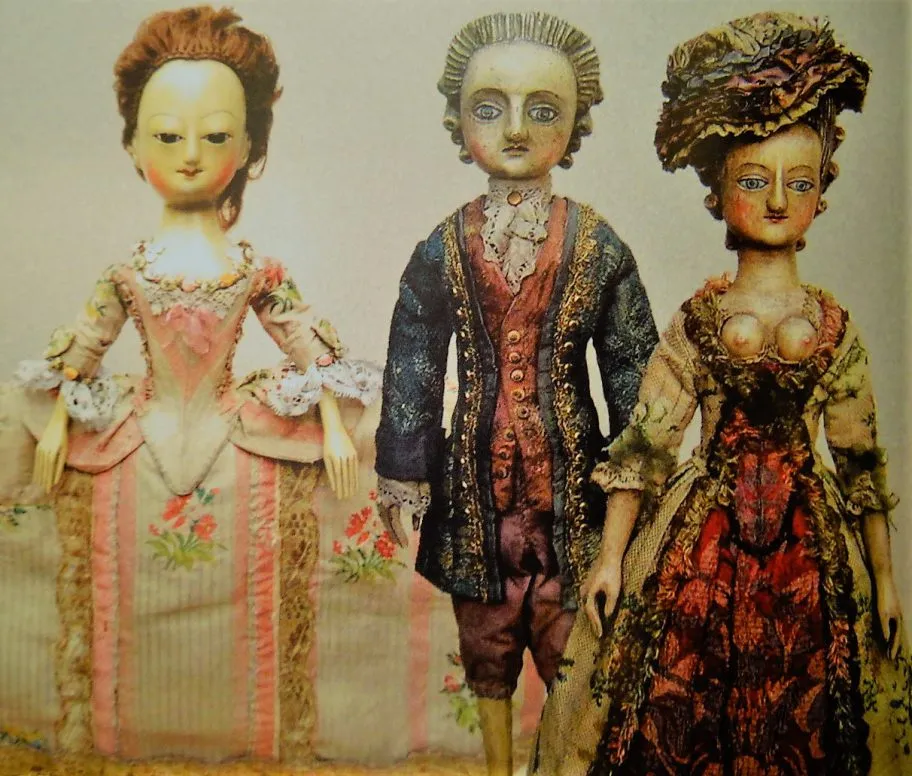
To understand where reborn dolls came from, you have to go back much further than the 1990s. Much further, actually. Archaeologists have discovered dolls in Egyptian tombs dating as far back as the 21st century BC. Ancient Greeks and Romans crafted dolls from clay, wood, and ivory — some with articulated limbs, some found in the graves of children who loved them.
Dolls have always been more than playthings. They’ve been spiritual objects. Ritual tools. Representations of the divine. Something about a human-shaped object sits differently in the mind than any other object. We respond to it. We project onto it. We care for it. That impulse is hardwired deep in us — deeper than any cultural trend.
By the 17th century in Europe, dolls were being hand-carved from hardwood pine and hand-painted with human features. By the 19th century, wax, porcelain, and eventually vinyl brought unprecedented levels of facial realism. Each new material pushed the question further: how close to real can we get?
The answer, for most of the 20th century, was: not close enough. Mass production created cheap, hollow-eyed plastic dolls that were nothing like actual infants. They were caricatures. And for a growing group of doll artists and collectors in the 1980s, that gap between what was available and what was possible became impossible to ignore.
That frustration is what created reborn dolls. It always starts with someone refusing to accept “good enough.”
The Birth of the Reborn Movement (Late 1980s – Early 1990s)
No one knows exactly who made the first reborn doll. The truth is, there wasn’t a single inventor — there were dozens of artists across the United States working independently, arriving at similar ideas at roughly the same time. What we know is that the movement crystallized in the late 1980s and took clear shape by the early 1990s.
These first artists were predominantly adult doll collectors — mostly women — who had grown deeply dissatisfied with the emotional flatness of commercially produced baby dolls. They wanted something that felt real. Something that stirred the same response as seeing an actual newborn. And since nobody was making it, they decided to make it themselves.
The process was intuitive and experimental at first. An artist would take a standard factory-made vinyl baby doll — brands like Berenguer Babies were popular starting points — and dismantle it completely. Off came the factory paint. Out came the synthetic eyes. The hair was stripped. And then the real work began.
Layer by careful layer, artists repainted the skin. Not in single flat coats, but in translucent washes that built up depth and tone just as real skin has depth and tone. They painted tiny veins at the temples. They blushed the knuckles and the nose. They added mottling — the subtle, uneven color of genuine newborn skin. They inserted better glass eyes. They rooted real mohair hair, one strand at a time, using a barbed felting needle. They filled the limbs with glass beads to add realistic weight.
The result was something that had never existed before in quite this form: a mass-produced doll completely transformed into what looked, felt, and weighed like a real infant. The word they began to use for this transformation was “reborn.” As in — born again. Given new life. It stuck immediately, and it still fits perfectly.
“These early artists weren’t following a trend. They were creating one — out of nothing but skill, obsession, and a refusal to settle.” — Reborn doll historian, thedollhistory.com
The Internet Changes Everything (Late 1990s – Early 2000s)
For the first several years of the reborn movement’s life, it was almost entirely underground. These artists worked in isolation, sharing techniques through word of mouth, small doll collector magazines, and regional craft fairs. Progress was slow. Knowledge stayed local.
Then the internet arrived. And everything changed overnight.
By the late 1990s, early doll forums and collector websites allowed artists across the country — and soon across the world — to share their work and methods for the first time. An artist in Texas could now see the techniques of someone in Ohio. A collector in Germany could discover that people in rural America were making the most lifelike dolls she had ever seen. The walls came down.
The effect was a rapid, almost explosive acceleration of technique. Artists who had spent years developing methods alone suddenly had access to a global community of peers. They shared everything: which paints held best on silicone, how many layers of color it took to achieve a convincing skin tone, how to weight a doll precisely, how to root hair so naturally it fooled a camera at close range.
The reborn doll community online was — and still is — one of the most generous craft communities anywhere. The ethos from the beginning was collaboration over competition. Share what you know. Raise the whole art form. That spirit built something remarkable and it’s a big part of why the movement grew as fast as it did.
eBay, Online Marketplaces & the First Explosion (2002–2007)
The year 2002 was a genuine turning point in reborn doll history. That was the year the first reborn doll appeared for sale on eBay — and the reaction was immediate and electric.
eBay did something that craft fairs and collector magazines never could: it put these dolls in front of millions of ordinary people who had never heard of the reborn movement and had no idea such things existed. The listings went viral — before “viral” was even a word people used. News outlets picked up the story. Morning shows featured segments. People were stunned, fascinated, and in many cases deeply moved.
Sales surged. Prices that would have seemed absurd for a “doll” — $300, $500, $800 — turned out to be completely achievable on eBay because buyers understood immediately that they weren’t buying a toy. They were buying a piece of handcrafted art that happened to look like a living infant. Collectors who had never thought of themselves as doll people suddenly became passionate buyers.
Online stores dedicated to reborn baby dolls started appearing. Suppliers who manufactured blank doll kits — body parts cast in quality vinyl specifically designed for reborning — built entire businesses supplying a growing community of artists. The infrastructure of a real market was forming rapidly.
Between 2002 and 2007, the number of active reborn artists in the USA and UK grew from a few hundred to several thousand. The number of international collectors — particularly in Germany, France, the Netherlands, Australia, and Canada — multiplied. And the quality of work being produced was escalating year by year as artists competed, collaborated, and pushed each other further.
This was the movement finding its feet. And it was moving fast.
The IRDA, Conventions & A Community Takes Shape (2005–2010)
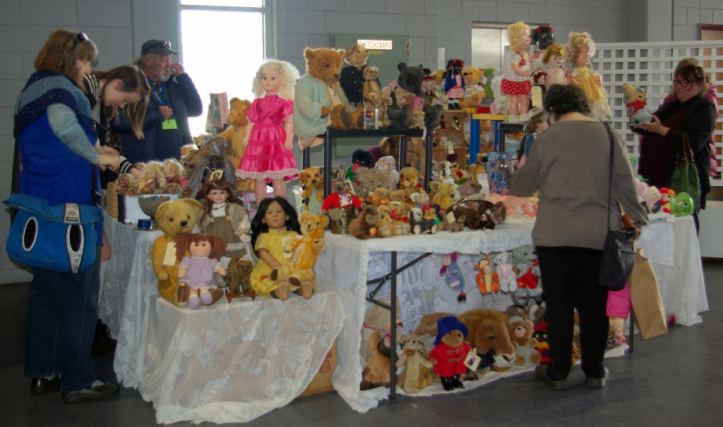
By the mid-2000s, the online reborn doll community was thriving — but something was still missing. Artists and collectors could connect through forums and eBay listings, but they couldn’t actually meet. They couldn’t take classes together, exhibit their work side by side, or experience the simple, irreplaceable pleasure of being in a room full of people who understood exactly why you do what you do.
That changed on January 25, 2005, in Orlando, Florida. The International Reborn Doll Artists organization — the IRDA — held its first three-day conference. It was a landmark moment. For the first time, reborn artists from across the USA (and a handful from Europe) gathered in person to share techniques, exhibit their creations, and formalize the art form they had been quietly building for over a decade.
The IRDA conference worked because it treated reborning as what it genuinely is: a serious art form requiring ongoing education, peer critique, and technical development. Classes were offered. Competitions were held. Awards were given. The event immediately gave the movement a legitimacy and visibility it had previously lacked outside its own community.
Other events followed. The ROSE International Doll Expo — standing for Reborns, Originals, and Sculpted Editions — became one of the most celebrated annual gatherings in the reborn world, held at the Davis Conference Center in Layton, Utah. The Dolls of the World Expo emerged on the East Coast, bringing together sculptors, artists, collectors, and enthusiasts for multi-day celebrations of the craft. These conventions gave the community a heartbeat — regular, real, in-person connection that the internet alone couldn’t provide.
They also accelerated the art. Being able to watch a master artist work in person, ask questions, and have your own technique evaluated by experienced peers compressed years of development into days. The quality of reborn dolls produced by artists who attended these conventions consistently outpaced those who worked in isolation. Community made artists better. It always does.
Silicone Enters the Picture — A Materials Revolution (2008–2015)
If eBay was the first explosion in reborn doll history, silicone was the second — and arguably the bigger one.
Silicone had been used in medical applications for decades. Its properties were well understood: flexible, skin-safe, odorless, capable of holding extraordinary detail, and with a give and warmth under the touch that no vinyl could match. What took time was the development of techniques for using silicone specifically in the creation of lifelike reborn dolls — stable formulations, workable casting methods, compatible paints.
By around 2008–2010, pioneering artists in the USA and Europe began successfully producing the first generation of silicone reborn dolls. The response was unlike anything that had come before. Where the best vinyl reborns were visually stunning, silicone reborns were physically stunning. You didn’t just look at them and think “that looks real.” You held one and felt something shift.
The silicone skin flexed under your fingers. It yielded. It had the exact weight and resistance of human tissue. When you pressed a fingertip gently against a full body silicone reborn doll, it left a brief impression — just as real skin does. The glass eyes sitting inside a silicone face had a depth and life that flat vinyl couldn’t replicate. First-time holders would sometimes gasp. Some cried. Not because they were confused about what they were holding, but because the emotional trigger was so immediate and so powerful.
Platinum-cure silicone quickly became the standard for quality. It’s stable, hypoallergenic, and captures fine surface detail better than almost any other casting material. The tiny pore texture of newborn skin, the individual crease of each knuckle, the softness of the earlobe — platinum silicone preserved all of it with a fidelity that vinyl, for all its virtues, simply could not match.
The transition wasn’t overnight. Vinyl reborn dolls remained — and still remain — extraordinarily beautiful and widely collected. But silicone changed the ceiling of what was possible. It set a new standard for what the most serious collectors and therapeutic users sought. And it created an entirely new price tier that reflected the difficulty and material cost of working with it properly.
By 2015, silicone reborn dolls were firmly established as the premium category in the market. Full-body silicone pieces from recognized artists were commanding $1,500–$5,000 and finding buyers immediately. The materials revolution had permanently changed the landscape.
Mainstream Media, Controversy & Unexpected Fame (2010–2018)
Here’s where the story gets complicated — and more interesting. Around 2010–2012, mainstream media discovered reborn dolls in a big way. Television programs in the USA, UK, Germany, and Australia ran features. Some were sympathetic. Many were not.
There was a particular media fascination — verging on mockery, at times — with the idea of adult women who treated their realistic reborn dolls like real infants: dressing them, taking them for walks in prams, introducing them to friends at cafes. The coverage ranged from curious and sensitive to outright sensationalist. Some programs framed this behavior as concerning or delusional, stoking controversy and generating large viewing audiences.
The reborn community pushed back. Strongly. Artists and collectors made the point, calmly and repeatedly, that they understood perfectly well their dolls were not real babies. The desire to care for something beautiful and lifelike, they argued, was not pathological — it was deeply human. And the therapeutic benefits of doll therapy for grief, loneliness, and cognitive decline were already documented in clinical literature.
Interestingly, the controversy had an unexpected side effect: it dramatically expanded the audience for reborn baby dolls. Every sensationalist TV segment introduced hundreds of thousands of new viewers to these extraordinary objects. A percentage of those viewers — probably larger than the programs’ producers expected — went home and searched for them online. Collector communities grew. Artist commissions increased. The controversy fed the market rather than shrinking it.
By 2015, the media narrative had shifted considerably. Serious journalism began looking more carefully at the therapeutic applications. Documentaries emerged that treated the subject with genuine depth and respect. And the public conversation about reborn dolls moved from “bizarre hobby” to something considerably more nuanced and appreciative.
Therapeutic Recognition — Hospitals, Grief & Dementia Care (2012–Present)
The most profound development in reborn doll history since silicone has been the formal recognition of their therapeutic value. What artists and collectors had intuitively understood for years — that holding a weighted, lifelike doll triggers powerful, positive emotional responses — began attracting serious scientific and clinical attention around 2012.
The first major therapeutic application to gain recognition was doll therapy in dementia and Alzheimer’s care. Patients in memory care facilities, particularly those in later stages of the disease, often experience extreme agitation, anxiety, and distress that is difficult to manage with medication alone. When given a lifelike weighted reborn doll to hold, many patients calm almost immediately. They shift into nurturing behavior — cradling, rocking, talking softly. The deep, primal instinct to care for an infant appears to remain accessible even when much of the patient’s conscious memory has been lost. The results, for families and care staff, can be moving beyond words.
The UK’s National Health Service was among the early institutional adopters of doll therapy in elderly care. Clinical trials and observational studies documented reductions in agitation, improved mood, and in some cases reduced reliance on sedative medications among patients who received lifelike reborn dolls as therapeutic objects. Similar programs have since been implemented across Germany, France, Australia, Canada, and the United States.
Grief therapy represents the second major therapeutic application. Silicone reborn dolls — and custom pieces made to resemble specific infants — have been incorporated into grief counseling for parents who have experienced stillbirth, miscarriage, neonatal death, and infant loss. These dolls offer a tangible, non-judgmental object that allows grieving individuals to engage with nurturing impulses that have no outlet. The emotional processing that happens through caring for a reborn baby doll in a therapeutic context can be significant and lasting.
Therapeutic use has also extended to autism support, PTSD treatment, anxiety management, and social skills development. The history of reborn dolls has turned out to include a medical chapter that no one in those 1990s garages could have predicted — and that may, ultimately, be among the most important chapters of all.
The Social Media Era — TikTok, Instagram & New Audiences (2018–Present)
If you’re under 35 and you know what a reborn doll is, there’s a good chance you found out about them on TikTok or Instagram. The social media era has been transformative for this art form — not because it changed what the dolls are, but because it changed who knows about them and how fast.
The hashtag #reborndoll on TikTok alone has generated hundreds of millions of views. Videos of artists applying paint layers, rooting hair strand by individual strand, or simply revealing a finished doll for the first time regularly accumulate millions of views each. The intimacy of the format — a single person, a camera, extraordinary craft — connects with audiences in a way that TV features never could. You’re watching someone pour extraordinary skill and hours into a single object. You’re watching art happen in real time. That’s compelling regardless of what the subject is.
Instagram has made silicone reborn doll photography an art form within an art form. Collectors style their dolls, dress them in seasonal outfits, photograph them in natural light with the same care a professional baby photographer would bring to a newborn shoot. The images, freed from context, are genuinely beautiful and frequently indistinguishable from real infant photography. The collective gasp when a viewer realizes what they’re looking at has become a defining experience of the era.
Social media has also dramatically lowered the barrier to entry for new collectors. Where in 2005 you had to find a forum, register, and navigate a relatively obscure subculture to discover reborn baby dolls, in 2026 they can find you before you’ve even looked. First-time buyers are younger on average than they were ten years ago. International buyers from markets including South Korea, Brazil, Japan, and Southeast Asia have joined a community that was previously dominated by North America and Western Europe. The art form is genuinely global now in a way that was aspirational before and is simply true today.
The Modern Reborn Market — Statistics, Prices & Global Reach (2020–2026)
The numbers tell the story of a market that has moved far beyond niche.
The global reborn doll market grew at a compound annual growth rate of 6.3% between 2018 and 2023. The broader silicone doll segment — of which silicone reborn dolls form a significant part — is projected to reach $2.8 billion by 2032. The top five buying markets in 2026 are the United States, the United Kingdom, Germany, France, and Canada, followed closely by Australia, Japan, and South Korea.
Entry-level market (2020–2026): Improved manufacturing in Asia has made quality partial-silicone and vinyl reborn dolls accessible at $80–$300. This has dramatically expanded the potential buyer pool and brought new collectors into the community who then graduate to higher price points over time.
Mid-range market: Full-body silicone reborns in the $400–$1,200 range represent the strongest growth segment. Quality is higher than ever at this price point, driven by improved materials availability and competition among manufacturers.
Premium and collector market: Artist-created originals and limited editions continue to command $1,500–$8,000+ with no signs of slowing. Provenance, rarity, and an artist’s reputation drive this market exactly as they drive the broader fine art market. Some landmark pieces — particularly from pioneering sculptors — have achieved five-figure sale prices.
The artist economy: Thousands of independent reborn doll artists worldwide now earn their primary income from commissions and doll sales. Average commission prices for quality artist-made pieces have risen consistently each year from 2018 to 2026. The top tier of reborn artists — those with international recognition and waiting lists — earn what would be considered competitive professional creative salaries.
The secondary market is also maturing. Reborn dolls from recognized artists increasingly hold or appreciate in value over time. Limited-edition sculpts, artist-proof pieces, and dolls with documented provenance are bought and sold by collectors with the same investment calculus applied to limited-edition prints or signed sculpture. The evolution of reborn dolls as collectibles is not finished — it’s accelerating.
The Future of Reborn Dolls — AI, Technology & What’s Next
Where does the evolution of reborn dolls go from here? The honest answer is: somewhere extraordinary, and faster than most people expect.
Advanced Silicone Formulations
Material science continues to advance. New silicone formulations are being developed that more closely replicate the thermal properties of real skin — warming to body temperature more quickly, responding to touch with even finer elasticity. The gap between a silicone reborn doll and biological skin continues to narrow at the material level.
Integrated Technology — Heartbeat, Breath & Sound
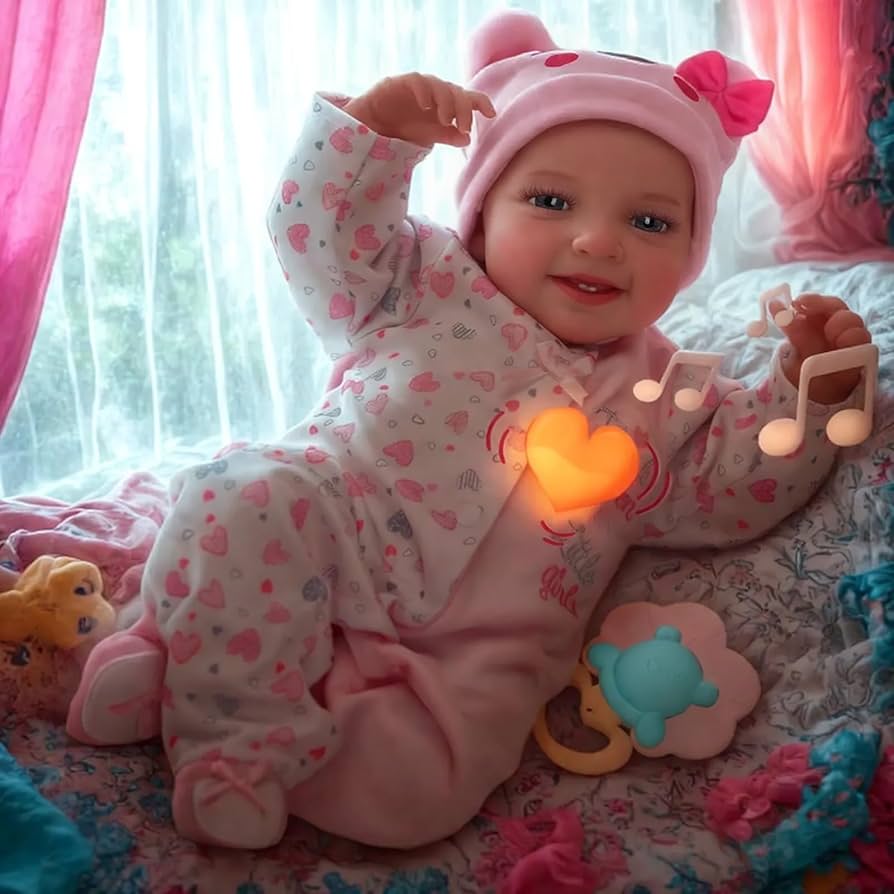
Premium realistic reborn dolls with integrated heartbeat mechanisms, simulated breathing movement, and soft responsive cooing sounds are already available. The technology is advancing rapidly. Dolls that respond to touch with sound cues, that simulate the rhythmic breathing of a sleeping infant, and that cycle through simple behavioral states are in active development. These features add enormously to therapeutic efficacy, particularly in dementia care settings.
AI-Enhanced Interaction
This is the frontier that generates the most discussion — and the most debate. AI-integrated dolls capable of simple interaction: recognizing being held, responding to voice, cycling through states that simulate infant behavior. Several manufacturers and tech crossover companies are actively working in this space in 2026. The ethical questions are significant and genuinely complex: at what point does a therapeutic companion doll become something that requires an entirely different framework? The reborn community is navigating these questions with care.
Expanded Therapeutic Applications
Clinical research into doll therapy for dementia, grief, autism, PTSD, and anxiety is expanding. As evidence bases grow, institutional adoption is likely to follow. The history of reborn dolls may come to include a chapter where these objects are as common in care settings as medication carts — not replacing clinical care, but meaningfully augmenting it.
Global South Markets
Brazil, India, Mexico, South Africa, and Southeast Asia are emerging collector markets for silicone reborn dolls and reborn baby dolls broadly. Local artists are developing in these markets. Local communities are forming. The global map of the reborn world is still being drawn, and there’s a great deal of it left to color in.
What started in an American garage with a stripped factory doll, a needle, a handful of mohair, and an artist who simply refused to accept what was available — has become all of this. The history and evolution of reborn dolls is still being written. And the next chapter looks remarkable.
FAQs About the History and Evolution of Reborn Dolls
Q1: When did reborn dolls first appear?
The reborn doll movement began in the late 1980s and took clear shape in the early 1990s in the United States. The exact first creator is unknown — the movement developed independently among multiple doll artists who shared a frustration with the lack of realism in commercially produced baby dolls. The first reborn doll appeared for sale on eBay in 2002, which marked the moment the movement reached a global audience.
Q2: Who invented reborn dolls?
No single person is credited with inventing the reborn doll. The art form emerged organically from a community of American doll artists and collectors in the early 1990s who began independently developing techniques for transforming factory vinyl dolls into lifelike creations. The IRDA (International Reborn Doll Artists) organization, founded formally in 2005, was one of the first structured bodies to represent and develop the community professionally.
Q3: Why are they called “reborn” dolls?
The name refers to the transformation process. A standard, mass-produced factory doll is completely stripped down — paint removed, eyes pulled, hair stripped — and then rebuilt from scratch by an artist with all-new realistic details. The doll has been “reborn” — given a completely new life from what it originally was. The term was adopted naturally by the early artist community and remains the universal name for the art form today.
Q4: How have the materials used in reborn dolls changed over time?
Early reborn dolls were made exclusively from standard factory vinyl, which artists stripped and repainted. Dedicated vinyl doll kits designed specifically for reborning — with better proportions, more realistic skin texture, and improved detail — became available in the early 2000s. Silicone reborn dolls emerged around 2008–2010 and represent the current premium standard. Platinum-cure silicone offers unmatched skin-like flexibility and tactile realism that vinyl cannot match. Today, both vinyl and silicone remain actively used, each with distinct strengths.
Q5: When did silicone reborn dolls first appear?
Silicone reborn dolls began appearing in the hands of pioneering artists approximately between 2008 and 2010. The adoption was gradual — silicone required entirely new skills and significantly higher material costs compared to vinyl. By 2015 they were firmly established as the premium category in the market. By 2020 they had become widely accessible at a range of price points.
Q6: What role did the internet play in the growth of reborn dolls?
The internet was transformative. Before online communities, reborn artists worked in near-total isolation and techniques spread only through craft fairs and collector magazines. By the late 1990s, online forums allowed global technique-sharing that rapidly accelerated the quality and reach of the art form. eBay in 2002 was the first mass market moment. Social media from around 2018 onward introduced reborn dolls to entirely new and younger global audiences. Each digital platform has expanded the community significantly.
Q7: Are reborn dolls used in hospitals and care homes?
Yes — and increasingly so. Therapeutic reborn doll use in dementia and Alzheimer’s care is documented and growing. Clinical evidence supports the use of weighted, lifelike dolls to reduce agitation, improve mood, and stimulate nurturing behaviors in patients with memory conditions. The UK National Health Service was among the early institutional adopters. Programs using silicone reborn dolls and realistic baby dolls therapeutically now operate across the USA, UK, Germany, France, Canada, Australia, and other countries. Therapeutic use in grief counseling, autism support, and anxiety management is also expanding.
Q8: How much did early reborn dolls sell for compared to today?
Early reborn dolls sold on eBay in 2002 typically fetched $200–$500 for quality pieces. By 2010, the price ceiling for artist originals had risen to $1,500–$3,000. Today, in 2026, entry-level reborn dolls start around $80–$150, mid-range pieces run $200–$800, and collector-grade artist originals regularly command $2,000–$8,000+. Some landmark pieces from pioneering reborn sculptors have sold for five-figure amounts. The market has stratified significantly while growing at every price point.
Q9: What famous media moments have shaped the public perception of reborn dolls?
Reborn dolls gained significant mainstream media attention in the 2010–2015 period through television features in the USA, UK, Germany, and Australia. Some coverage was sensationalist, focusing on collectors who treated their dolls as real infants and framing this as unusual or concerning. Over time, more balanced and in-depth coverage — including documentaries exploring the therapeutic use of reborn dolls — shifted public perception considerably. Today the media narrative is largely positive, reflecting the growing clinical recognition of doll therapy and the wider appreciation of reborn artistry.
Q10: What conventions and events exist for the reborn doll community?
The IRDA (International Reborn Doll Artists) held its inaugural conference in Orlando, Florida in January 2005 and remains a key professional body for the community. The ROSE International Doll Expo was a major annual event held at the Davis Conference Center in Layton, Utah, bringing together artists, collectors, and sculptors from around the world. The Dolls of the World Expo on the East Coast has grown significantly and the 4th annual event is planned for 2026. Regional doll shows across the USA and internationally offer communities of artists and collectors regular opportunities to connect, exhibit, and learn in person.
Q11: How has social media changed the reborn doll community?
Social media — particularly TikTok and Instagram from around 2018 onward — has been transformative. Hashtags like #reborndoll have generated hundreds of millions of combined views, introducing the art form to new audiences at a speed and scale that no previous platform could achieve. The result has been younger average buyer ages, genuinely global market reach including emerging markets in South Korea, Brazil, Japan, and Southeast Asia, and a new generation of artists building professional careers through social media audiences alone. It has also made silicone reborn doll photography a recognized artistic subgenre in its own right.
Q12: What does the future hold for reborn dolls?
The near future involves advances in silicone materials, integrated technology (heartbeat, breathing simulation, touch-response sound), and potentially AI-enhanced interaction in therapeutic models. Clinical adoption in dementia, grief, autism, and anxiety therapy is expanding as evidence bases grow. International collector markets in the Global South are developing rapidly. And the premium artist market shows no signs of slowing — the most exceptional reborn dolls are increasingly understood and valued as serious art. The evolution of reborn dolls is not finished. It may just be entering its most interesting phase yet.
Final Thoughts
More than three decades ago, a small group of American artists sat down with factory vinyl dolls, peeled off the paint, and started asking: what if we made something truly real? They had no market research. No venture capital. No social media strategy. Just skill, obsession, and a conviction that beauty and emotional truth were worth the effort.
That instinct built a global art movement. It built a therapeutic tool that hospitals in six continents now use. It built careers, communities, conventions, and a collector market that operates with the logic and passion of fine art. The history and evolution of reborn dolls is a story about what happens when ordinary creative people refuse to accept the limitations of what already exists.
The next time you see one — hold it if you can. Feel the weight. Note the painted vein at the temple. Run your fingertip across the soft knuckles. Then ask yourself: how many hours did someone spend making this? And why?
The answer to that second question is the whole story.


