Free Delivery On All Orders Over $100

The Complete Guide to Silicone Reborn Dolls for Therapy

The Complete Guide to Silicone Reborn Dolls for Therapy (2026): Evidence, Uses, Benefits & How to Start
There’s a nursing home outside Baton Rouge, Louisiana, where a program outreach director named Verna Law introduced baby doll therapy to a unit of residents with advanced Alzheimer’s disease. She knew it was going to help. What she didn’t expect was her own reaction.
“I knew it was going to be something good,” she said. “But I’m shocked every time when we present the baby to someone.”
The residents held the dolls. Named them. Carried them to meals. Showed them to other residents the way you’d show off a real newborn. And one by one, the unit that had been defined by agitation, wandering, and distress became — for the first time in many of their care journeys — calm.
That story is playing out in memory care facilities across the USA, UK, Germany, France, Canada, and Australia right now. And it is not anecdote dressed up as science. It is a documented, peer-reviewed, clinically validated therapeutic intervention — and in 2026, silicone reborn dolls are at the center of it.
This guide is the most complete resource available on the therapeutic use of silicone reborn dolls. It covers the neuroscience of why they work, the clinical evidence behind them, every therapeutic application documented to date, how to introduce doll therapy safely and effectively, what caregivers and families need to know, and exactly how to choose the right doll for a therapeutic context. Whether you’re a caregiver, a therapist, a family member, or someone exploring this for yourself — this is where the conversation starts.
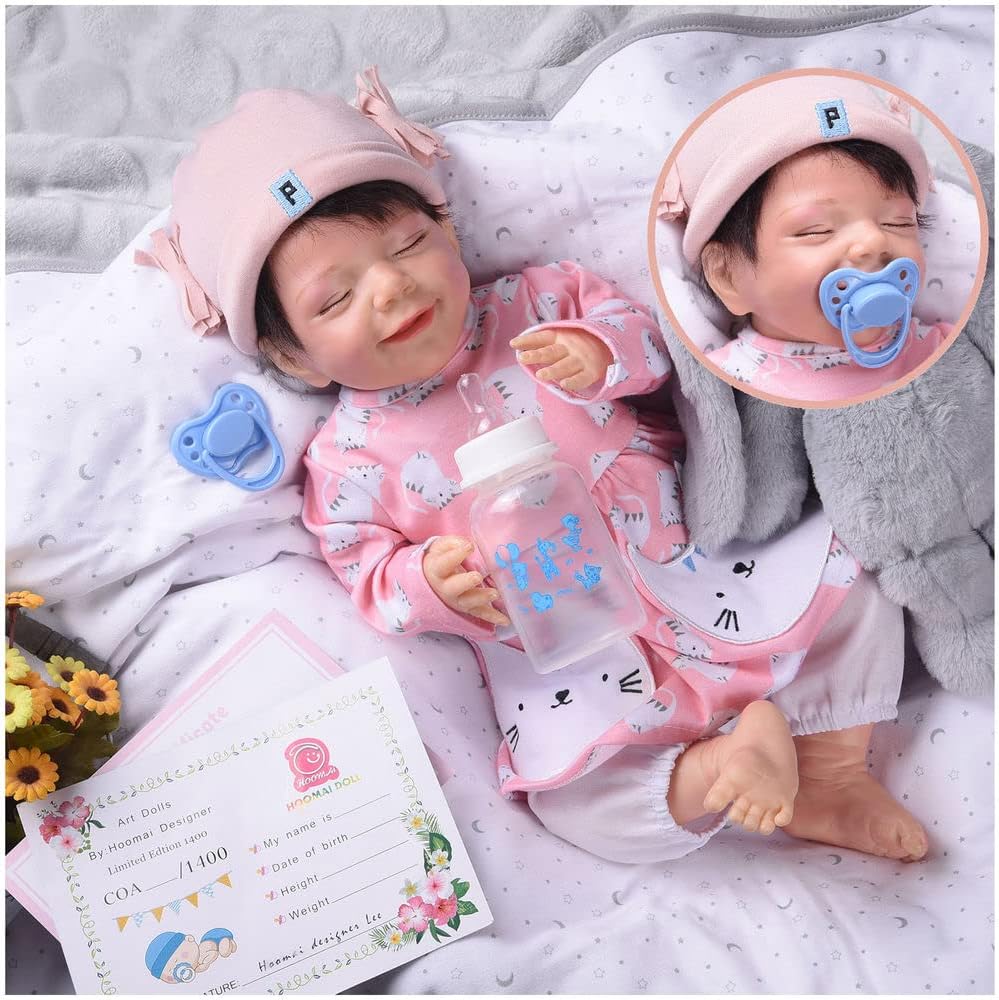
Table of Contents
- Why Silicone Reborn Dolls Work — The Neuroscience
- The Clinical Evidence — What Research Actually Shows
- Dementia and Alzheimer’s Care — The Primary Application
- Grief and Infant Loss Support
- Anxiety, Loneliness, and Emotional Regulation
- Autism and Developmental Support
- Childcare and Neonatal Education
- The Ethical Questions — Answered Honestly
- How to Introduce Doll Therapy — A Practical Guide
- Choosing the Right Silicone Reborn Doll for Therapy
- A Note for Families
- Where to Find Therapeutic Silicone Reborn Dolls
- FAQs About Silicone Reborn Dolls for Therapy
Why Silicone Reborn Dolls Work — The Neuroscience
Before anything else — before the research, before the clinical outcomes, before the buying guide — it’s worth understanding why this works. Because once you understand the mechanism, everything else makes complete sense.
Human beings carry what neuroscientists call the caregiving instinct — a deep, evolutionarily ancient drive to nurture and protect vulnerable infants. This instinct doesn’t live in the prefrontal cortex — the rational, reasoning, memory-dependent part of the brain. It lives in the limbic system: the older, deeper neural architecture that governs emotion, attachment, and instinct.
This distinction matters enormously in a therapeutic context. Alzheimer’s disease and dementia systematically attack higher cognitive functions — memory, reasoning, recognition, language. These go early and go hard. But the limbic system is remarkably resilient. A person with moderate-to-advanced dementia may not recognise their own children. They may not know what year it is or where they are. But put a weighted, skin-like full body silicone reborn doll in their arms — something that feels, warms, and settles like a real newborn — and something stirs. The hands know what to do. The instinct activates. The brain doesn’t need memory to know how to hold a baby.
This is not magic. It is documented neurological response — and it’s the foundation of every therapeutic application covered in this guide.
Why does silicone matter specifically? Because the quality of the sensory trigger determines the strength of the limbic response. Research consistently finds that the most realistically tactile dolls generate the strongest and most sustained therapeutic engagement. Dolls with a baby-like appearance — including reborn and empathy dolls — generated higher patient commitment compared to stuffed and other kinds of dolls, with researchers emphasizing the importance that the doll’s appearance truly resembles a real baby.
A full body platinum silicone reborn doll warms from body heat. It yields under gentle pressure across its entire surface exactly the way real skin yields. The weight distributes naturally — head heavy, limbs settling — the way a real newborn’s weight distributes. These are not cosmetic features. They are the biological triggers doing active neurological work. And they do it at a level of the brain that disease cannot fully reach.
The Clinical Evidence — What Research Actually Shows
Let’s be clear about something before we dive in: doll therapy is not a fringe idea. It has been studied, peer-reviewed, replicated, and published in respected medical and nursing journals. Here is what the evidence shows — precisely, not vaguely.
The BMC Geriatrics Randomised Controlled Trial
A randomised controlled trial published in BMC Geriatrics enrolled 52 nursing home residents living with dementia and behavioral and psychological symptoms. Participants were randomised to doll therapy or standard treatment, with measurements taken at baseline, 45 days, and 90 days using standard clinical scales including the Neuropsychiatric Inventory. The doll therapy group showed significant reductions in neuropsychiatric symptoms compared to the control group. Randomised controlled trials are the gold standard of clinical evidence. This is not observational data — it is controlled, measured, replicated science.
The PMC Systematic Review
A systematic review found benefits in the use of doll therapy, observing a decrease of negative behaviors such as agitation, aggressiveness, and erratic wandering, as well as an increase in communication with the environment and independence in daily life. The review covered eight databases including Cochrane, PubMed, and Scopus — the most rigorous sources in clinical research. Its conclusions are not tentative.
The Queen’s University Belfast Scoping Review (2024)
A scoping review of twelve primary research studies from 2013 to 2023, published in 2024, found that doll therapy has been associated with positive changes in a person’s wellbeing and behavior in care home settings, with benefits extending beyond behavioral outcomes to broader psychosocial wellbeing.
Broader psychosocial wellbeing. Not just calmer evenings. Not just reduced medication needs. Better overall quality of life. That scope matters when you’re a family member trying to make a decision.
The Cleveland Clinic Evidence
Baby doll therapy has shown promise for managing agitation in patients with dementia, with nursing homes and memory care centers reporting success using this treatment. The Cleveland Clinic’s clinical guidance acknowledges doll therapy as a feasible, evidence-supported nonpharmacological intervention — significant institutional validation from one of the most respected medical institutions in the United States.
UK Research — Reduced Medication Need
Research conducted in the United Kingdom found that people with dementia who used doll therapy were less irritable, and it reduced the need for medication. Other research reported significant mood improvements and lower evidence of depression.
Reduced medication need. That is not a minor finding. Overmedication of dementia patients — with antipsychotics, sedatives, and anxiolytics that carry serious side effects — is a documented crisis in elder care across the USA, UK, and Europe. A non-pharmacological tool that reduces the need for these medications is clinically, ethically, and financially significant.
Dementia and Alzheimer’s Care — The Primary Application
Dementia and Alzheimer’s care is where the therapeutic use of silicone reborn dolls is most established, most documented, and most transformative in day-to-day clinical practice.
The primary challenge of dementia caregiving is managing what clinicians call behavioral and psychological symptoms of dementia (BPSD) — agitation, aggression, wandering, sundowning, verbal outbursts, and episodes of acute distress. These symptoms are distressing for patients, exhausting for caregivers, and frequently managed with medications whose side effects are often worse than the symptoms themselves.
Feeding, holding, or soothing a doll may provide calming structure for some individuals. Familiar routines, like holding or soothing a doll, may help reduce fear and agitation. The caregiving routine — adjusting the doll’s position, checking on it, showing it to others — provides structured, purposeful activity for a person whose ability to engage in most structured activities has been eroded by disease.
Program Outreach Director Verna Law says the doll helps some dementia patients recall happy moments from their long-term memory. This is the other dimension of doll therapy’s effectiveness: long-term emotional memory — memories of parenthood, of holding one’s own children, of being needed and being loving — persists in dementia long after episodic memory has gone. A silicone reborn doll doesn’t ask for memory access. It asks for instinct. And instinct, unlike memory, survives. Ready to find the right doll for your loved one or care setting? Our Best Silicone Reborn Dolls for Dementia Care guide covers every vetted pick in 2026 — with honest clinical assessments at every budget tier
Who Responds — and Who Doesn’t
Not every person with dementia will respond positively to doll therapy — and that’s important to say clearly. Experts say baby doll therapy is not for all dementia patients. Response rates vary based on individual history, personality, stage of disease, and the specific way the doll is introduced. The research consistently shows that people who were parents — particularly those for whom nurturing was a central part of their identity — respond most strongly.
People who show no interest should never be pushed. People who show discomfort should have the doll removed immediately without comment. Doll therapy is a tool for the people it helps — not a universal prescription.
Grief and Infant Loss Support
For parents who have experienced stillbirth, miscarriage, neonatal death, or the loss of a young child, the therapeutic application of silicone reborn dolls is deeply personal and clinically supported.
For those who have experienced pregnancy loss or the death of a child, realistic baby dolls may offer a symbolic outlet for nurturing behaviors. The grief of infant loss is particularly complex because it involves not only the loss of the child but the loss of the caregiving relationship — the holding, feeding, dressing, comforting that the parent was prepared for and never got to do. That unacted nurturing has nowhere to go in conventional grief processing.
A full body silicone reborn doll — sometimes custom-made to resemble the lost infant from photographs — provides an embodied, tactile way to engage with that grief. Grief therapists who work with bereaved parents report that the ability to hold, dress, and care for a lifelike doll allows clients to access and process emotions that talk therapy alone frequently cannot reach.
This is not about replacing the child. It is not about denial. It is about providing a physical channel for love and care that has no other outlet — and allowing the body and the nervous system, not just the mind, to participate in the grieving process.
For parents exploring this use, the support of a licensed grief therapist is strongly recommended. The doll is a therapeutic tool. It works best as part of a broader therapeutic relationship, not in isolation.
Anxiety, Loneliness, and Emotional Regulation
The therapeutic applications of silicone reborn dolls extend well beyond clinical dementia care and bereavement support.
Reducing anxiety through routine — feeding, holding, or soothing a doll — may provide calming structure for some individuals. Engaging in caregiving rituals can restore a sense of meaning and control.
For adults experiencing chronic anxiety, the daily ritual of caring for a weighted silicone reborn doll creates a structured, purposeful routine with a clear nurturing focus. The tactile experience of holding the doll — the warmth, the weight, the skin-like silicone — activates the parasympathetic nervous system: the branch responsible for the calm, rest, and digest state that anxiety suppresses. It is grounding in the most literal neurological sense.
For older adults experiencing chronic loneliness — a documented public health crisis affecting an estimated 1 in 3 adults over 65 in the USA and UK — a silicone reborn doll provides daily nurturing purpose and sensory engagement. The research linking loneliness to increased risk of dementia, cardiovascular disease, and depression is well-established. Anything that meaningfully addresses loneliness in this population is clinically significant. A doll that sits on a shelf does not do this. A full body silicone reborn doll that is held, cared for, and incorporated into a daily routine does.
From assisting those with dementia and Alzheimer’s to helping individuals manage grief, anxiety, and loneliness, reborn dolls serve as a powerful tool that promotes mental wellbeing.
Autism and Developmental Support
Some occupational therapists and autism support practitioners have begun incorporating lifelike silicone reborn dolls into social skill development work with autistic children and young adults.
The specific application targets the development of nurturing behaviors, empathy expression, perspective-taking, and reciprocal interaction skills. A doll provides a predictable, non-reactive social object — something with human features that can be cared for without the social unpredictability that makes human interaction challenging for many autistic individuals.
Early practitioner reports are consistently encouraging. The realistic human features of a silicone reborn doll — the facial expression, the proportions, the tactile quality — engage the social processing systems in ways that more abstract or clearly “toy-like” objects do not. Formal research in this specific application is still developing, but the theoretical basis is well-grounded and the practitioner evidence is building steadily.
Childcare and Neonatal Education
Silicone reborn dolls are used widely in professional education contexts — neonatal nursing programs, childcare training courses, and parenting preparation classes across the USA, UK, Canada, and Germany.
The rationale is practical and compelling. A full body silicone reborn doll weighted to 5–8 lbs demands the same careful, deliberate handling as a real infant. Students learning how to support a newborn’s head, how to position for feeding, how to change and dress without stressing fragile limbs — they develop genuine muscle memory and genuine care habits. Rigid plastic training dolls built habits that need to be unlearned when a real infant is placed in someone’s arms. A properly weighted, skin-like silicone doll does not.
The Ethical Questions — Answered Honestly
No complete guide to therapeutic doll use is honest if it avoids the ethical questions. Here they are, addressed directly.
“Is it ethical to let a dementia patient believe the doll is real?”
This is the question families ask most often, and it deserves a direct answer. The clinical consensus — supported by both research evidence and the practical guidance of dementia care specialists — is clear: when a person with dementia engages with a doll as if it is a real infant, gently following their lead is the compassionate and appropriate response.
Correcting the belief — telling them it’s not a real baby — provides zero cognitive benefit. The person’s brain cannot retain the correction. What it does do is cause immediate, measurable distress. The doll is taken away in their mind, the connection severed, the calm disrupted. There is no clinical justification for this.
We also don’t just give them the doll. We have to make sure that they are willing to accept the doll. Consent, willingness, and individual response guide every introduction. Dignity is never compromised — it is actively protected through an approach that meets the person where they are, not where we wish they were.
“Does this infantilise the patient?”
Some critics argue an adult with memory loss is not a child. A February 2025 article in Very Well Health cited clinicians who say a diagnosis of dementia does not erase the need to be treated with dignity. This concern is legitimate and worth taking seriously. The answer is that doll therapy, introduced carefully and respectfully, does not infantilise — it activates adult parental identity, not childhood play. The person holding the doll is a parent, a grandparent, someone who spent decades nurturing others. Engaging that identity is profoundly respectful of who they are.
The key distinction: doll therapy done well involves staff treating the interaction with the same quiet respect they’d extend to any meaningful patient activity. Staff who laugh, dismiss, or draw attention to the interaction undermine the dignity of the patient. Staff who engage with warmth and seriousness protect it.
How to Introduce Doll Therapy — A Practical Guide
Getting the introduction right makes the difference between a positive, sustained response and rejection. These guidelines are drawn from clinical practitioner experience and research findings.
Step 1 — Natural, not ceremonial. Do not formally present the doll with an announcement. Place it nearby — on a chair beside the person, within their line of sight — and allow curiosity and instinct to drive the first interaction. Unhurried, unannounced discovery consistently produces better outcomes than structured presentation.
Step 2 — Follow their lead entirely. If they pick it up — wonderful. If they name it, go with the name. If they believe it’s real, follow that reality gently and respectfully. If they show no interest, remove the doll without comment and try again another time. Never push, never perform, never correct.
Step 3 — Staff consistency matters. In care settings, all staff who interact with the patient should be briefed on the doll therapy program and how to respond consistently. Inconsistent responses — some staff engaging warmly, others expressing skepticism or amusement — undermine the therapeutic environment.
Step 4 — Choose weight deliberately. A weighted silicone reborn doll in the 4–7 lb range most closely replicates the weight of a real newborn and activates the strongest caregiving response. Lightweight alternatives produce notably weaker engagement. The weight is doing neurological work — do not compromise on it.
Step 5 — Document responses. In clinical settings, track behavioral changes — agitation levels, medication needs, sleep quality, social engagement — before and after introducing doll therapy. This documentation supports continued use and helps identify which individuals are responding best.
Choosing the Right Silicone Reborn Doll for Therapy
Not all dolls are equally suited to therapeutic use. Here is exactly what to prioritise.
Show Image Caption: The features that make a full body silicone reborn doll the most effective therapeutic tool — consistent skin-like texture everywhere, natural weight distribution, and warmth response from body heat. Image: [siliconereborns.com]
Full Body Silicone — Non-Negotiable for Serious Therapeutic Use
For therapeutic contexts — particularly dementia care and grief support — full body platinum silicone is the strongest material choice. The consistent silicone texture across the entire body, combined with natural weight distribution throughout, produces the most complete sensory experience. Partial silicone dolls with cloth bodies produce a less complete sensory trigger. The clinical evidence on doll realism and patient engagement supports this clearly.
Our Complete Guide to Full Body Silicone Reborn Dolls covers the full material comparison and what to look for at every price tier.
Weight: 4–7 lbs, Evenly Distributed
Choose a doll weighted to 4–7 lbs with weight distributed throughout the body — not concentrated in a single central pouch. The natural weight shift when the doll is repositioned is part of the sensory trigger. It matters.
Facial Expression: Calm and Soft
A softly sleeping or gently drowsy expression produces the most sustained and calm therapeutic response. A wide-open, alert expression can feel demanding or stimulating in a way that is counterproductive in anxiety and dementia contexts.
Durability for Regular Handling
In a care setting with multiple handlers and daily use, a quality mid-range full body silicone reborn doll in the $300–$600 range is often more practical than a fragile collector-grade piece. It needs to be cleaned regularly and handled with care but not anxiety. See our Best Full Body Silicone Reborn Dolls 2026 guide and Best Full Body Silicone Reborn Dolls Under $500 guide for specific vetted picks at this tier.
For comprehensive care instructions — essential in clinical settings where the doll is handled by multiple people — our silicone reborn doll care guide covers everything step by step.
A Note for Families
If you’re a family member who has watched a parent or grandparent with dementia settle calmly with a silicone reborn doll for the first time — and you’re feeling a complicated mix of relief and sadness and something else you can’t name — that response makes complete sense.
It is not easy to watch someone you love engage with a doll as if it were a real infant. It can surface grief about the progression of the disease, complicated feelings about who the person used to be, and uncertainty about what is right.
The evidence says: it’s right. The calm is real. The comfort is real. The neurological engagement is real. What your parent or grandparent is experiencing — the warmth, the purpose, the restored nurturing identity — is genuinely good for them.
If you need help navigating the emotional complexity of supporting a family member through dementia care, the Alzheimer’s Association and Alzheimer’s Society UK both provide comprehensive caregiver support resources. You don’t have to carry this alone.
Where to Find Therapeutic Silicone Reborn Dolls
siliconereborns.com — Our curated therapeutic range features verified full body platinum silicone reborn dolls selected specifically for therapeutic use: appropriate weight, calm expression, durable construction, and confirmed material safety. Every piece is authenticated before listing.
Babeside— Full body platinum silicone construction at mid-range prices. Fast US shipping. Strong option for care facilities purchasing multiple dolls.
Reborns.com — Independent artist marketplace with a wide range of full body silicone pieces. Filter by weight and material specification. Research sellers carefully.
Direct artist commissions — For grief support contexts where a custom piece resembling a specific infant is needed. Commission through verified artist platforms with clear briefs about the therapeutic purpose and required weight specifications.
FAQs About Silicone Reborn Dolls for Therapy
Q1: Are silicone reborn dolls used in real clinical therapy settings?
Yes. Silicone and realistic reborn dolls are used in nursing homes, memory care facilities, hospice settings, grief counseling practices, and childcare education programs across the USA, UK, Germany, France, Canada, and Australia. Their use is supported by peer-reviewed research published in journals including BMC Geriatrics, the Journal of Clinical Medicine, and systematic reviews indexed in PubMed and Cochrane.
Q2: Is doll therapy medically recognised for dementia care?
Yes. Doll therapy is recognised as a non-pharmacological psychosocial intervention in dementia care by clinical bodies in the UK, USA, and internationally. The Alzheimer’s Society UK publishes guidance on doll therapy. The Cleveland Clinic acknowledges it as a feasible nonpharmacological intervention. Multiple randomised controlled trials support its effectiveness in reducing behavioral and psychological symptoms of dementia.
Q3: What type of silicone reborn doll is best for dementia therapy?
A full body platinum silicone reborn doll — weighted to 4–7 lbs with weight distributed evenly throughout the body, in a calm or sleeping expression, with consistent skin-like texture across the entire surface — produces the strongest and most sustained therapeutic response. The realism of the doll is the key variable: the more convincingly it replicates the tactile experience of a real newborn, the more powerfully it activates the caregiving instinct.
Q4: Can silicone reborn dolls help with grief after pregnancy loss?
Yes — and this use is actively supported by grief therapists and bereavement counsellors. A realistic silicone reborn doll provides an embodied, tactile channel for nurturing instincts that have nowhere else to go after infant loss. It works best as part of a broader therapeutic process with a licensed grief professional. The SANDS (Stillbirth and Neonatal Death Society) in the UK provides additional support resources for bereaved parents.
Q5: Is it ethical to use a doll with a dementia patient who thinks it’s real?
Yes — the clinical consensus is clear. Gently following the person’s lead, rather than correcting their belief, is the compassionate and appropriate approach. Correction provides zero cognitive benefit and causes measurable distress. Engagement with the doll provides documented calming and wellbeing benefits. Dignity is protected through respectful, consistent engagement — not through correction.
Q6: How do I introduce a silicone reborn doll in a dementia care setting?
Place the doll naturally within the person’s environment without formal announcement. Allow curiosity and instinct to drive the first interaction. Never force engagement. Follow the person’s lead entirely. Ensure all staff are briefed on consistent, respectful engagement. Document behavioral changes before and after introduction. Full introduction guidance is in the How to Introduce Doll Therapy section of this guide.
Q7: Can silicone reborn dolls help with anxiety?
Yes. The daily ritual of caring for a weighted silicone reborn doll — holding, adjusting, engaging with — activates the parasympathetic nervous system and creates purposeful, structured routine. Caregiving rituals have documented calming effects on anxiety and can restore a sense of meaning and control for individuals experiencing anxiety disorders, chronic stress, or life-transition distress.
Q8: What weight should a therapeutic silicone reborn doll be?
4–7 lbs with weight distributed evenly throughout the entire body — head, limbs, and torso. This closely replicates a real newborn and is light enough to hold comfortably for extended periods. Avoid very lightweight dolls — the weight is the primary neurological trigger and should not be compromised.
Q9: Are silicone reborn dolls safe for use in care homes?
Yes — platinum-cure silicone is hypoallergenic, non-toxic, odorless, and skin-safe. It can be cleaned with mild soap and water, is resistant to bacterial growth on its surface when cleaned regularly, and is durable enough for daily handling in care settings. Confirm platinum-cure designation explicitly when purchasing for clinical use. Full care guidance is in our silicone reborn doll care guide.
Q10: How much does a therapeutic silicone reborn doll cost?
Quality full body platinum silicone reborn dolls suitable for therapeutic use start around $200–$300 at entry level, with the most clinically appropriate range — proper weight distribution, consistent silicone throughout, durable enough for daily care setting use — sitting at $300–$600. Our Best Full Body Silicone Reborn Dolls Under $500 guide covers the best picks at this tier in full.
Q11: Can children use silicone reborn dolls therapeutically?
With appropriate professional guidance — yes. Some child therapists and occupational therapists incorporate realistic dolls into play therapy, anxiety support, and social development work with children. The introduction should always involve a licensed professional who can monitor and guide the child’s response. These dolls are not recommended for unsupervised use by young children due to the delicacy of the painted surfaces and rooted hair.
Q12: Where can I find more support if I’m considering doll therapy for a family member?
Start with your family member’s GP or dementia care specialist who can advise on whether doll therapy is appropriate for their specific presentation and stage of disease. The Alzheimer’s Association in the USA and Alzheimer’s Society in the UK both publish specific doll therapy guidance for families and caregivers.
Final Thoughts
The evidence is in. The science is clear. The stories from nursing homes in Louisiana, memory care units in Arkansas, grief counseling practices in the UK, and dementia wards across Germany and Australia all point in the same direction.
Silicone reborn dolls — specifically full body platinum silicone, properly weighted, realistically constructed — are a genuinely effective, evidence-backed, non-pharmacological therapeutic tool. They are not a gimmick. They are not a last resort. They are a first-line intervention for some of the most difficult and painful human experiences any of us will face.
A person with Alzheimer’s holding a doll named Violet, carrying her to dinner, sleeping with her tucked at their side — that person is not confused. Their conscious mind may have lost its footing. But somewhere deeper, something still knows how to love. The silicone reborn doll in their arms didn’t give them that. It just gave that part of them somewhere to go.
That’s what good therapy does. It meets people where they are.
At siliconereborns.com, every silicone reborn doll in our therapeutic range is selected with one standard: would we be comfortable placing this in the arms of someone we love? If the answer is yes — it earns its place in our collection.
Browse our therapeutic silicone reborn doll collection at siliconereborns.com and find the right tool for the person you’re caring for.